
Communicate, Collaborate, Commit
This month, we’re sharing a conversation with Dr. Jean Dodson Peterson, founding chair of Washington State University’s Department of Viticulture and Enology, on mentorship, leadership, and building something from the ground up. We’ve also got a Community Tools piece on inclusion and belonging, plus not-to-miss events From Our Community happening across the industry this month.
Now, over to Kristina Kelley, Bâtonnage Board Director and Executive Director of the Washington State Wine Commission, who made this interview possible:
One of the best parts of my job is meeting the people who are shaping our industry’s future. Dr. Jean Dodson Peterson is one of those leaders. Every time I talk with Jean, I’m inspired by her thoughtful approach, strong sense of purpose, and unwavering commitment to helping others succeed. As the founding chair of Washington State University’s Department of Viticulture and Enology, she is building a top wine education program and supporting the next generation of scientists, winemakers, viticulturists, and industry leaders.
In our conversation, Jean talks about her unexpected path to the wine industry, the mentors who shaped her career, and the leadership values that guide her today. We also talk about why collaboration matters, how to prepare students for a changing industry, and why helping others might be the most important legacy a leader can leave. I hope you enjoy learning about Jean as much as I have.
Q&A With Dr. Jean Dodson Peterson, Founding Chair of Washington State University’s Department of Viticulture and Enology
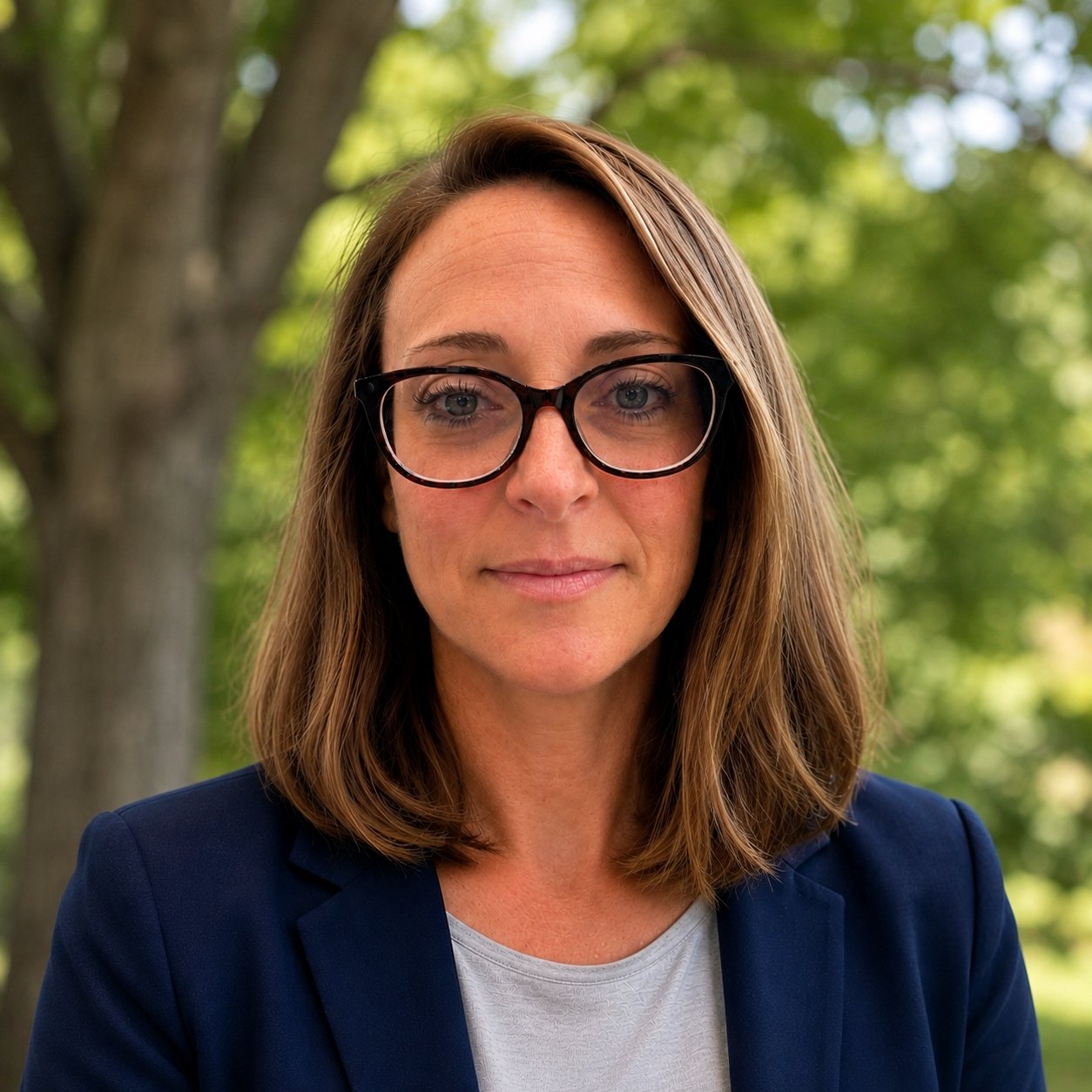
Dr. Jean Dodson Peterson
KK: You originally thought you would become a physician before discovering viticulture and enology. What drew you to the wine industry, and what has kept you passionate about it?
JDP: I entered UC Davis thinking I would become a physician. I loved science and wanted a career that felt meaningful, so medicine seemed like the logical path.
My now-husband eventually talked me into taking VEN 3, the introductory viticulture and enology course at UC Davis. I agreed, not realizing how completely it would redirect my life. Before the end of the quarter, I knew I wanted to change my major.
Viticulture and enology brought together everything I was looking for but had not yet known how to name. It combined plant science, chemistry, agriculture, history, culture, business, and people. I was especially drawn to viticulture because vineyards are living systems. Every site, season, and vine presents a different set of questions, and there is rarely one simple answer.
What has kept me passionate is that the field never stops asking you to learn. Wine connects science to place and agriculture to people. Over time, my passion has also expanded beyond the vineyard itself. I now find tremendous purpose in helping students discover their own place in the industry, just as that introductory course helped me discover mine.
KK: Looking back, what experiences most shaped your leadership philosophy?
JDP: One of the most important influences on my leadership philosophy was being mentored by Dr. Andy Walker at UC Davis. His mentorship was pivotal not only in helping me navigate graduate school, but also in helping me navigate life during a formative and sometimes difficult period.
Andy modeled mentorship grounded in respect, transparency, and determination. He was honest about expectations and challenges, but he never separated rigor from humanity. He showed me that you can hold people to high standards while still treating them with dignity, understanding the broader context of their lives, and helping them move forward. That has stayed with me throughout my career.
My leadership experience at WSU has challenged me to put those lessons into practice on a much larger scale. As the founding chair of the Department of Viticulture and Enology, I have had to help build not just programs, but culture, structure, trust, and a shared sense of direction. That has meant leading through periods of significant change, advocating for students and faculty, developing new curriculum, strengthening industry partnerships, pursuing new academic programs, and making difficult decisions when resources and priorities did not always align.
WSU has taught me that leadership is often less about having all the answers and more about helping people move through uncertainty together. It requires being transparent about what is known, what is not known, and how decisions are being made. It also requires persistence, because institutional change is rarely fast or linear.
I often describe my leadership approach with three words: communicate, collaborate, and commit. Communication builds trust. Collaboration leads to stronger decisions and greater ownership. Commitment means continuing to show up, especially when progress is slow or the work becomes difficult.
The combination of Andy’s mentorship and my leadership experiences at WSU have shaped how I work with students, faculty, staff, and industry partners. I try to lead with honesty, respect, and determination, while also creating space for people to contribute, grow, and see themselves as part of something larger. For me, leadership is not about controlling the direction of others. It is about creating the conditions in which people and programs can succeed…
Pardon the interruption: a brief intermission to share this month’s Community Toolkit and events From Our Community. Continue reading the interview further below!
Community Toolkit
Inclusion & Belonging: What are they?
Inclusion depends on receiving or sending the invitation. A person is included when they’re notified of plans, let in the room, or allowed to listen to a conversation. Someone can be included in a single event, as part of an organization or project, or witness to an important decision. Though, being consistently included isn’t always enough. Nurturing a sense of belonging develops over time.
Belonging happens when a person feels safe enough to show up as themselves. When they know who they are, and what they need is welcome. They are included, but they are also treated with genuine care, active listening (learn more about active listening in our previous newsletter), and real curiosity. They are welcomed, not merely invited.
A simple way to think about it: the difference between asking someone to dinner versus asking them to join a weekly group hangout, or prompting their opinion regularly in conversation. Other examples include:
SHARING MEALS: When setting a table, make plans based on individual needs: a left-handed person in the group? They might want to sit on the far left-side to avoid bumping elbows. Hearing challenges? A seat in the middle can sometimes help with proximity for better sound.
SEATING THE TABLE: Friends with mobility issues or wheelchair users? Consider the height of the table - will it work for their needs? Investigate the sturdiness of the chair - will it support their weight? Is it stable enough for them to use it to balance when they stand up? Seasonal allergies? Fresh flowers might be better left outside.
CONVERSATION: When it’s time to chat, engage with genuine curiosity (that takes active listening). Foster conversation that can include disagreement and be positive. If you’re unsure what a person wants or needs, just ask.
From Our Community…
J VINEYARDS 40TH ANNIVERSARY INDUSTRY PINK PARTY | HEALDSBURG, CA
J Vineyards is celebrating 40 years with an industry Pink Party on Friday, August 14, from 5:00 to 7:00 PM at the winery in Healdsburg.
WOMEN FOR WINE SENSE — UPCOMING EVENTS | USA
Women for Wine Sense has announced its regional chapter events for the season, with gatherings happening coast to coast. Check the calendar to find what’s coming up near you.
Q&A With Dr. Jean Dodson Peterson, Founding Chair of Washington State University’s Department of Viticulture and Enology (cont.)
KK: Leadership in science and agriculture has evolved significantly. What qualities do you believe the next generation of wine industry leaders will need most?
JDP: The next generation will need to be adaptable, collaborative, curious, and comfortable acknowledging what they do not know.
Wine industry leaders have traditionally been expected to possess deep technical expertise, and that will remain important. But technical knowledge alone is no longer enough. Future leaders will also need to understand people, markets, technology, environmental systems, communication, and organizational change.
They will need to make decisions with incomplete information and be willing to adjust when the evidence changes. They must be able to bring together people with different areas of expertise and different lived experiences. They will also need the courage to question practices that may be traditional but are no longer serving the industry well.
I hope they will lead with empathy. Agriculture can be demanding, and leadership decisions affect people’s livelihoods, families, and sense of purpose. The best leaders will combine scientific rigor with humanity.
Finally, they will need persistence. Progress in agriculture is often incremental. The people who make a lasting difference are usually not those who have one brilliant idea. They are the ones who continue learning, building relationships, and doing the work overtime.
KK: As someone who mentors students and young professionals, what advice do you give people who are just beginning their careers?
JDP: I tell them that they do not need to have their entire career mapped out at the beginning. I certainly did not. Careers are built through a series of experiences, relationships, risks, disappointments, and unexpected opportunities.
I encourage them to be curious and to say yes to experiences that stretch them, particularly early in their careers. At the same time, I remind them that saying yes should not mean allowing themselves to be undervalued or overextended indefinitely.
I also emphasize professionalism. Respond to people. Meet deadlines. Ask questions when you do not understand something. Admit mistakes and correct them. Treat every person with respect, regardless of title. Those habits may sound simple, but they shape how others experience working with you.
Another piece of advice is not to confuse confidence with certainty. You can move forward without knowing everything. Many people, particularly women and students who have not traditionally seen themselves represented in leadership, wait until they feel completely prepared. Meanwhile, others move forward at 60 percent readiness. You are allowed to learn while you are doing.
Most importantly, find people who will tell you the truth, advocate for you when you are not in the room, and remind you of your abilities when you temporarily lose sight of them.
KK: What do you hope today’s students will contribute to the wine industry that previous generations may not have imagined?
JDP: I hope today’s students bring resilience and the courage to break through tradition when tradition is no longer serving the industry.
Wine is deeply rooted in history, and that is part of what makes it so meaningful. But respect for tradition should not prevent us from questioning assumptions, adapting to change, or imagining better ways of working. The next generation will inherit an industry facing climate uncertainty, water limitations, labor challenges, shifting markets, changing consumer expectations, and increasing pressure to operate more sustainably. They will need to be resilient enough to navigate those challenges without becoming defined by them.
I hope they will be willing to ask difficult questions. Do we need to grow the same varieties in the same places? Do our production systems need to look the same as they have for decades? Are there technologies, business models, or cultural practices that could make the industry stronger, more inclusive, and more adaptable?
Resilience is not simply enduring hardship. It is learning, adjusting, and finding a new path forward. I want our students to understand the science and history of wine well enough to know what should be preserved, but also to have the confidence to challenge what needs to change.
The industry’s future will depend on people who can honor where wine has been without being constrained by it. I hope our students will help build an industry that is more adaptable, more innovative, and better prepared for what comes next.
KK: Bâtonnage is dedicated to elevating women in the wine industry. What progress have you seen, and where do you believe we still have work to do?
JDP: I have seen meaningful progress. More women are entering viticulture, winemaking, research, education, ownership, and executive leadership, and more women are being recognized as technical experts and decision-makers. That visibility matters because it helps break barriers for the women coming after us.
But representation alone is not enough. Women also need the space to build full lives and still be successful professionals. We need to move beyond the idea that commitment is measured by being physically present from nine to five every day, or by always being available in the same traditional work window. In many careers, especially leadership roles, meaningful work can happen early in the morning, later in the evening, remotely, or in focused blocks around family responsibilities.
That flexibility is not about lowering standards. It is about rethinking systems that were often designed around the assumption that someone else was handling the caregiving, the household, and the rest of life. Women should not have to choose between being fully present for their families and being taken seriously as professionals.
I have a family, and I am deeply committed to my work. Those two things are not in conflict, but they do require intention, support, and a willingness to challenge outdated expectations about what leadership is supposed to look like.
We still have work to do around pay equity, access to sponsorship, workplace culture, and who is included in important conversations. We also need to ensure that women are not simply invited into existing systems but are empowered to help reshape them.
When women are at the table, the questions change, the solutions improve, and the industry becomes stronger. Inclusion is not just about fairness. It leads to better decisions, more resilient organizations, and a broader vision of what success can look like.
KK: Can you share a moment when mentorship, either giving or receiving it, changed the trajectory of your career?
JDP: Near the end of graduate school, my mentor, Dr. Andy Walker, had a candid and pivotal conversation with me. He asked me to be honest, not about what I thought I was supposed to do with a Ph.D., but about where my passion actually was.
At the time, I was following the traditional academic path and assumed that success meant becoming a research-intensive faculty member. Andy recognized something in me that I had not yet fully acknowledged: although I respected research and understood its importance, it was not the part of the work that energized me most.
What made me feel most fulfilled was teaching. I loved helping students understand something they had previously found intimidating. I loved creating conditions in which other people could succeed. Even in graduate school, I found myself drawn to supporting my peers, bringing people together, and helping others navigate obstacles. Andy helped me see that those instincts were not distractions from an academic career. They could be the foundation of one.
That conversation gave me permission to pursue a teaching focused faculty position and to define success differently from the path I had originally imagined. Teaching became the entry point, but it also revealed something broader about my purpose. I did want to succeed individually. I wanted to help students and colleagues succeed. I wanted to build programs, remove barriers, create opportunities, and help people do their best work.
Years later, when the opportunity arose to become the founding chair of WSU’s Department of Viticulture and Enology, it felt almost like destiny, or at least like the natural continuation of the path that conversation had set me on. Here was an opportunity to build something new, shape a culture, advocate for people, and create an environment in which faculty, staff, and students could thrive.
The role has been far more difficult and complex than I could have understood at the time, but the motivation remains the same: I want to help people. I want to help talented faculty turn ideas into meaningful programs and research. I want staff to know that their contributions matter. I want students to discover opportunities they may not yet realize are possible for them.
Andy changed the trajectory of my career because he helped me understand that purpose and prestige are not always the same thing. He encouraged me to build a career around what genuinely motivated me rather than what academia traditionally suggested I should want. That conversation ultimately led me to teaching, leadership, and the work I now feel I was meant to do.
KK: When you’re not working, how do you recharge and have a balance in your life?
JDP: Swimming has become one of the most meaningful ways I recharge. I love watching my daughter swim and compete, seeing her learn that progress comes from repetition, patience, and showing up even on days when improvement is not immediately visible. There is something powerful about watching a child discover endurance, not just physically, but mentally.
Getting into the pool myself gives me a different kind of reset. Swimming requires your full attention. You have to think about your breathing, your body position, your stroke, and your rhythm. At first, all of those elements feel very deliberate, but eventually they begin to work together almost automatically. That is when swimming becomes almost meditative for me.
The water creates a kind of separation from the noise of the world. You cannot answer an email in the middle of a lap. You cannot solve every problem at once. You have to focus on the next breath, the next stroke, and reaching the other end of the pool. For someone whose professional life often involves managing many priorities and thinking several steps ahead, that narrow focus is incredibly restorative.
Swimming also reminds me that endurance is built gradually. You do not become stronger because of one perfect practice or one exceptional race. You improve through consistent effort, learning from difficult days, and returning to the pool. I see a strong parallel to leadership and to life. Much of the progress that matters most is quiet and incremental.
Watching my daughter swim gives me joy and perspective. Swimming myself gives me space to think, but also permits me not to think about everything else for a while. Both help me return to my work and family more present and grounded.
KK: Is there a book, mentor, or experience that has had a lasting influence on your career?
JDP: One of the greatest influences on my career has been my mother. She attended law school at a time when women were still rarely represented there, and she went on to serve her community as a defense attorney, court magistrate, and county coroner.
Growing up, I watched her enter spaces that were not necessarily designed with women in mind and demonstrate, through her preparation and ability, that she belonged there. She did not wait for the path to become easy or for someone else to make room for her. She stepped forward, did the work, and built a career grounded in service.
Her example taught me that women can occupy complex and demanding roles without fitting a single definition of what leadership is supposed to look like. She showed me that professional success is not simply about advancing your own career. It is also about using your education, expertise, and position to help other people and strengthen your community.
I think her influence is reflected in the choices I have made. I entered viticulture and academia at a time when women were still underrepresented in many scientific and leadership roles. Later, becoming the founding chair of WSU’s Department of Viticulture and Enology required me to step into a position without an established roadmap and help build something that had not existed before.
My mother taught me that breaking barriers is rarely one dramatic moment. It is the accumulated result of showing up, being prepared, persevering through resistance, and refusing to allow other people’s expectations to define your possibilities.
She also demonstrated that a woman could be both deeply committed to her profession and fully present as a mother. Her example helped me believe that I did not have to choose between having a family and pursuing meaningful, ambitious work. I could create a life that included both, even when doing so required challenging traditional expectations.
Her career was very different from mine, but the lesson has remained constant: do work that matters, make space for others, and do not be afraid to enter rooms where women have not historically been expected to lead.
KK: I have heard you speak about preparing students not just for today’s wine industry, but for the one they’ll inherit. What provides you with optimism for the future, and what do you hope today’s leaders will do to better prepare the next generation?
JDP: We often hear that the next generation is weaker, softer, less resilient, or less intrinsically motivated. That is not what I see.
I see a generation that is willing to think beyond traditional social and economic norms in search of creative solutions and innovative ideas. I see students who are asking important questions about sustainability, equity, workplace culture, technology, and the future of agriculture. I see compassion for people, the environment, and life in bountiful amounts.
That gives me tremendous optimism.
This generation is not necessarily rejecting hard work. They are questioning whether work must always look the way it has in the past. They are asking whether success can be defined more broadly, whether careers can be both meaningful and sustainable, and whether our systems can better reflect the realities of people’s lives. I believe those are valuable questions, not signs of weakness.
Our responsibility is to help them turn that creativity and compassion into confidence, judgment, and action. We need to give them opportunities to apply their knowledge, make meaningful decisions, fail safely, work across disciplines, and learn how to recover when an idea does not succeed the first time.
We also need to teach and model professionalism. Creativity and flexibility are most powerful when they are paired with preparation, accountability, communication, respect, and follow through. Students need to understand that professional expectations still matter, even as they help redefine where, when, and how excellent work can happen.
Today’s leaders also need to trust the next generation enough to let them lead differently. We should not expect them to simply reproduce our careers, our workplaces, or our definitions of success. We should encourage them to find their own version of success and to rethink what work life balance can mean without assuming that balance reflects a lack of ambition.
Preparing students for the industry they will inherit means giving them a strong scientific foundation, practical experience, professional standards, and the freedom to imagine something better than what exists today.
My optimism comes from knowing that they are not waiting passively for the future. They are already questioning, creating, and reshaping it. Our role is not to stand in their way or insist that they do everything as we did. It is to support them, challenge them, trust them, and help them develop the skills to turn their ideas into lasting change.